 English
 Bahasa Indonesia

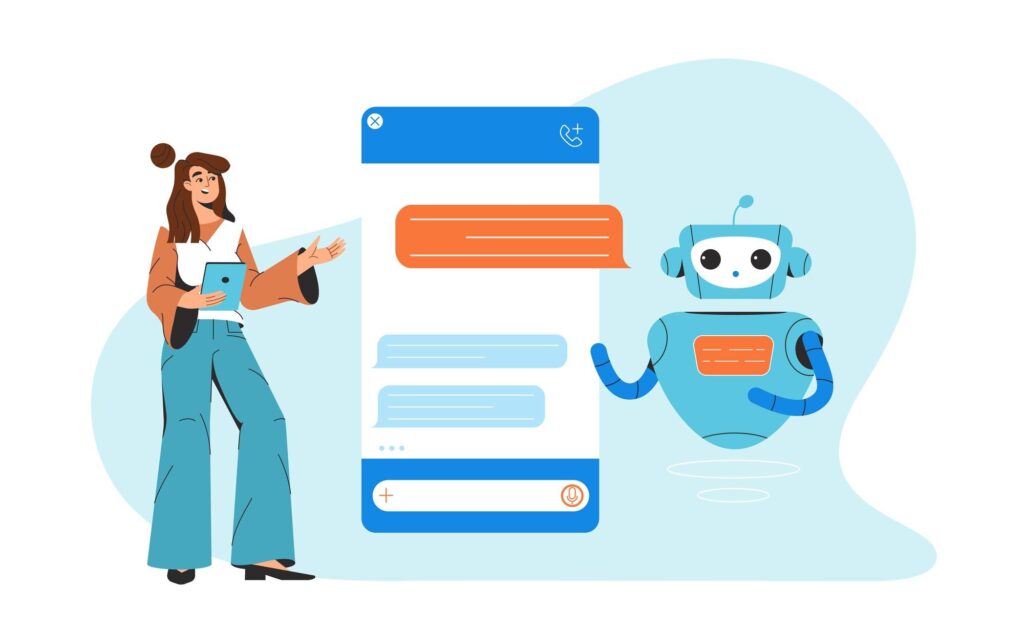
What Is an AI Interview?
An AI-based interview is a hiring process where artificial intelligence evaluates candidates’ responses, communication, and skills—either replacing or assisting human recruiters.
Instead of a traditional interview, candidates interact with:
- video-based questions
- chatbot interfaces
- automated technical assessments
These systems analyze responses using technologies like natural language processing (NLP), speech recognition, and scoring algorithms.
As highlighted by Harvard Business Review, companies are increasingly adopting AI in hiring to improve efficiency and consistency.
How AI Interviews Work (Step-by-Step)
Understanding how AI interviews work helps candidates prepare effectively.
1. Invitation and Setup
Candidates receive a link to complete the AI-based interview online, often with specific instructions and time limits.
2. Question Delivery in AI Interviews
Questions are delivered through:
- pre-recorded video prompts
- chatbot-style interactions
- technical or coding platforms
3. Candidate Response
Candidates respond by recording video answers, typing responses, or solving problems.
4. AI Interview Analysis
During the AI-based interview process, the system evaluates:
- language clarity and relevance (NLP)
- tone and confidence
- response structure
- technical accuracy
5. AI Interview Scoring and Ranking
Each response is scored using predefined criteria, helping recruiters compare candidates objectively.
Types of AI Interviews
There are several types of AI interviews depending on the role and company.
Video AI Interviews
Candidates record answers while AI evaluates communication and presentation.
Chatbot AI Interviews
Text-based AI interviews simulate real conversations and analyze written responses.
Technical AI Interviews
These AI interviews assess coding or analytical skills through automated testing.
Game-Based AI Assessments
Some AI interviews use gamified tasks to evaluate cognitive abilities and decision-making.
Real AI Interview Examples
Here are realistic AI interview examples to help you understand what to expect.
Example 1: Behavioral AI Interview Question
Question: “Tell me about yourself.”
Strong answer:
- structured and relevant
- clear career narrative
Weak answer:
- unfocused or too long
- lacks relevance
Example 2: Situational AI Interview Question
Question: “Describe a time you solved a difficult problem.”
Strong answers use structured frameworks like STAR (Situation, Task, Action, Result).
Example 3: Technical AI Interview Question
Question: “How would you optimize a slow system?”
Strong answers show:
- logical thinking
- step-by-step reasoning
Pros and Cons of AI Interviews
Advantages of AI Interviews
- scalable hiring process
- consistent evaluation
- faster screening
- data-driven insights
Disadvantages of AI Interviews
- limited human interaction
- potential bias concerns
- candidate discomfort
According to World Economic Forum, AI will continue to reshape hiring, but human oversight remains essential.
AI Interview vs Human Interview
| Factor | AI Interview | Human Interview |
|---|---|---|
| Speed | Fast | Slower |
| Consistency | High | Variable |
| Cost | Lower at scale | Higher |
| Personalization | Limited | High |
Most companies now combine AI interviews with human decision-making.
How to Prepare for an AI Interview
Preparing for an AI interview requires a different approach than traditional interviews.
1. Practice AI Interview Simulations
Use tools to simulate real AI interview environments.
2. Structure Your Answers
Use frameworks like STAR to improve clarity.
3. Speak Clearly and Confidently
AI systems analyze speech patterns and structure.
4. Use Relevant Keywords
The AI systems often evaluate relevance based on language.
5. Prepare for Common Interview Questions
Review common questions and practice responses.
Common Interview Questions
Here are common AI questions:
- Tell me about yourself
- Why are you interested in this role?
- Describe a challenge you solved
- What are your strengths and weaknesses?
- Explain a technical concept
How AI Interviews Evaluate Candidates
The systems use multiple evaluation methods.
Natural Language Processing (NLP)
Analyzes clarity, relevance, and keyword usage.
Speech and Communication Analysis
Evaluates tone, pacing, and confidence.
Behavioral Signals
Measures engagement and response patterns.
Scoring Algorithms
Assign standardized scores based on predefined criteria.
Companies like IBM have contributed significantly to advancements in AI and NLP technologies used in hiring systems.
Can AI Interviews Be Biased?
AI interviews can reflect bias if the training data is flawed.
However, properly designed interview systems aim to:
- reduce human bias
- standardize evaluation
- improve fairness
Continuous monitoring is required to ensure ethical use.
The Future of AI Interviews
The future of AI interviews includes:
- wider adoption across industries
- integration with human interviews
- improved personalization
- better fairness and transparency
AI interviews are expected to become a standard step in hiring workflows.
Explore About Algobash AI Interview?
FAQ About AI Interviews
What is an AI interviews?
AI interviews uses artificial intelligence to evaluate candidate responses during hiring.
How do I pass an AI interviews?
Practice structured answers, speak clearly, and prepare for common AI interview questions.
Are AI interviews accurate?
They are effective for screening but usually combined with human evaluation.
Can AI interviews detect cheating?
Some systems can detect inconsistencies, but capabilities vary.
Do all companies use AI interviews?
Not all, but adoption is rapidly increasing.
Conclusion
AI interviews are transforming recruitment by making hiring faster, more scalable, and more data-driven.
Understanding how AI interviews work—and how to prepare for them—can significantly improve your chances of success.
If you want to experience how an this type of interview works in practice, using a real system can help you understand how candidates are evaluated and how to improve your performance.